ICOM IC-A25N Handheld NAV/COM Transceiver w/ Bluetooth – Open Box: Portable Aviation Radio
ICOM IC-A25N Handheld NAV/COM Transceiver w/ Bluetooth – Open Box: Portable Aviation Radio
Blog Article
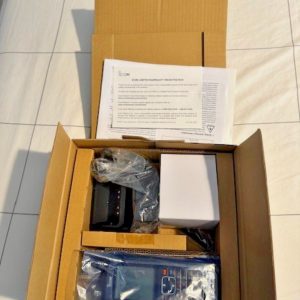
:::writingvariant="document" id="58314" ICOM IC-A25N Handheld NAV/COM Transceiver w/ Bluetooth – Open Box: Reliable NAV/COM Performance The ICOM IC-A25N Handheld NAV/COM Transceiver w/ Bluetooth – Open Box combines user-friendly controls, portable convenience, aviation communication capability, navigation functions, and Bluetooth connectivity. An open-box ICOM transceiver can be attractive to buyers who want dependable features while reducing the cost of purchasing professional aviation equipment. The ICOM IC-A25N Handheld NAV combines practical portability with features intended to support situational awareness and reliable aviation operations. An ICOM IC-A25N Aviation Radio can support communication between pilots, air traffic services, flight instructors, ground personnel, and other aviation users where authorized. The compact ICOM IC-A25N Handheld Radio may be especially useful for pilots who operate multiple aircraft or frequently travel between airports and training locations. A capable Handheld NAV/COM Aviation Transceiver provides pilots with an integrated solution that can be stored conveniently and accessed quickly. Whether pilots need a Handheld Aviation Radio, Aviation NAV/COM Radio, Pilot Handheld Radio, or portable Aircraft Communication Radio, the complete package should be inspected and tested. For many operators, the radio can combine the roles of Portable Aviation Transceiver, Aviation Communication Device, Handheld Aircraft Radio, and emergency backup equipment.
Why Pilots Choose the ICOM IC-A25N Handheld Radio
The IC-A25N combines portable aviation communication capability with navigation-oriented features intended to support a broad range of pilot activities. The device may help pilots reduce equipment clutter by integrating several useful capabilities into one flight-bag-friendly radio. A handheld radio can provide valuable support, but performance may depend on antenna position, aircraft structure, terrain, distance, interference, battery condition, and operating environment. Operators should include the radio in normal equipment checks so batteries, accessories, and settings remain ready for use.ICOM IC-A25N Handheld NAV Features
The ICOM IC-A25N Handheld NAV can support pilots who want portable access to aviation communication and navigation information during flight preparation or cockpit operations. Ground personnel can use an appropriate handheld radio for monitoring or coordination where local procedures and regulations allow. Aviation navigation requires situational awareness, planning, current data, and understanding of aircraft and airspace requirements. Organized cockpit placement improves access while protecting the radio from impact, movement, moisture, and accidental activation.ICOM IC-A25N Aviation Radio Applications
The radio may be useful to pilots operating aircraft with limited avionics, temporary communication problems, or different cockpit configurations. The radio may also be useful at aviation events, remote airfields, flight schools, maintenance shops, aircraft demonstrations, and airport operations areas. An open-box product should be evaluated carefully even when it appears unused or lightly handled. The best purchase decision combines condition evidence, package completeness, seller credibility, secure payment, and documented delivery terms.Carrying the ICOM IC-A25N Handheld Radio
A compact radio can remain in a flight bag alongside headsets, charts, flashlights, batteries, and other essential pilot equipment. Responsible storage preserves physical condition and improves the likelihood that the radio will function correctly when needed. Users can review the interface in a quiet environment rather than learning controls during engine operation or busy airport activity. Careful handling allows a portable aviation radio to remain a dependable part of the pilot’s equipment inventory.Choosing a Handheld NAV/COM Aviation Transceiver
The integrated format can reduce the need to carry separate handheld receivers for several common aviation tasks. An open-box package may represent strong value when it includes the equipment required for immediate setup and normal use. Users should keep the operating guide accessible until they can manage essential functions without hesitation. The antenna, battery, charger, headset adapter, belt clip, and other accessories should remain organized with the radio.Handheld Aviation Radio for General Aviation
A Handheld Aviation Radio is a practical tool for private pilots, instructors, students, mechanics, aircraft owners, flight schools, and airport support personnel. The radio can also provide useful redundancy when an installed communication system experiences an unexpected problem. Accessories such as approved headset connections or suitable external antenna arrangements may influence convenience and performance. The device should not be used for casual or unnecessary transmissions that could interfere with operational communications.Using an Aviation NAV/COM Radio
The IC-A25N can be carried across different aircraft, allowing one pilot to maintain familiarity with the same handheld controls. The user should understand how to move efficiently between communication and navigation functions without becoming distracted. Users should distinguish between convenience features, backup capability, training value, and equipment required for a particular flight. A structured preflight routine helps the Aviation NAV/COM Radio deliver reliable and practical support.Pilot Handheld Radio Benefits
A Pilot Handheld Radio offers flexibility to aviation professionals whose work involves several aircraft, airports, and operational environments. Good cockpit organization reduces workload and prevents backup equipment from becoming difficult to reach when needed. Regular familiarity helps users recognize abnormal operation, weak batteries, damaged controls, or missing accessories early. A battery that appears charged after long storage may not provide the operating duration expected under real conditions.Aircraft Communication Radio Benefits
An Aircraft Communication Radio supports communication between pilots, air traffic services, other aircraft, flight instructors, and authorized ground personnel. Professional communication practices improve the effectiveness of both installed and handheld radios. A portable radio may operate differently from the aircraft’s main communication system because antenna size, antenna position, output, and cockpit shielding can affect performance. Qualified repair or manufacturer-supported service may be appropriate more info for electronic problems that cannot be corrected through normal setup.Portable Aviation Transceiver Advantages
A compact transceiver may remain available during electrical shutdowns, maintenance events, panel upgrades, or aircraft storage. Charging equipment should be identified clearly and kept with the correct radio and battery system. A wired backup arrangement may remain useful when Bluetooth accessories lose charge, disconnect, or experience interference. Pilots should avoid troubleshooting complicated pairing issues during high-workload phases of flight.Benefits of an Aviation Communication Device
A professional handheld radio may serve private pilots differently from flight schools, maintenance shops, airport staff, or commercial operators. Transparent condition information allows the purchaser to judge whether the price reflects the package accurately. Aviation businesses should establish procedures for cleaning shared microphones, headsets, controls, and surfaces where appropriate. A radio configured for one headset or training environment may need adjustment before being issued for another application.Handheld Aircraft Radio for Cockpit and Ground Use
A Handheld Aircraft Radio can provide useful communication capability both inside the cockpit and around the aircraft during maintenance, preflight, towing, fueling, or operational preparation. A handheld unit allows maintenance personnel to confirm communication-related information while aircraft power remains disconnected. A handheld radio should not be placed on an unstable surface where turbulence or maneuvering could send it across the cockpit. Charging ports and connectors should remain dry and free from debris before accessories are attached.Using an Aviation Navigation Radio
The IC-A25N may appeal to pilots who want more than communication capability from their handheld flight-bag radio. Students should receive appropriate instruction so the device supports learning rather than creating misunderstanding or distraction. A handheld radio should not be treated as a substitute for equipment or procedures required by regulation, aircraft approval, or operating conditions. The manual and quick-reference information should be available until the pilot can use important functions confidently.Using an ICOM Pilot Radio
The IC-A25N provides a combination of communication, navigation support, Bluetooth connectivity, and portable power suitable for varied aviation roles. Even a well-regarded radio should be tested for power, audio, charging, display, controls, battery condition, and physical damage. Aviation students may prioritize ease of learning, while experienced pilots may focus on backup capability, portability, and integration. Once acquired, the radio should be labeled, documented, configured, charged, tested, and stored in an accessible location.Emergency Aviation Radio Benefits
A handheld radio may support a pilot’s response to an abnormal situation by providing portable communication capability independent of the main panel system. Cockpit structure, antenna location, terrain, altitude, weather, buildings, and battery condition can influence emergency performance. Redundancy is strongest when the user has more than one practical method of hearing and transmitting with the device. Preparedness transforms an Emergency Aviation Radio from a stored accessory into a meaningful backup communication tool.Using a Backup Aircraft Radio
Backup equipment can be particularly valuable during cross-country operations, aircraft delivery, training, rental flying, or travel in older aircraft. Stored batteries can lose capacity, accessories can become misplaced, settings can change, and physical damage may go unnoticed. A simple and familiar arrangement is generally more useful during an abnormal situation than a complicated setup that has not been practiced. Backup planning should also consider how the aircraft will be flown, navigated, and managed while the pilot is using the portable radio.ICOM IC-A25N Open-Box Condition Guide
A careful physical review helps determine whether the product condition matches the seller’s open-box description. The seller should identify whether original packaging, manuals, warranty materials, and product registration documents remain available. Functional testing should include power-on behavior, charging, control response, display operation, speaker audio, microphone function where appropriately tested, and accessory recognition. Shipment photographs can document package contents and physical condition before dispatch.Long-Term Ownership of an ICOM IC-A25N
Long-term reliability depends on battery care, protected storage, correct charging, careful antenna handling, clean connectors, updated familiarity, and prompt attention to operating concerns. Occasional-use radios should still receive periodic checks because batteries and electronic components can deteriorate during inactivity.- Confirm that the device powers on, responds correctly, holds charge, produces clear audio, and remains properly configured.
- Verify frequency settings, memory organization, Bluetooth pairing, audio routing, volume, squelch, navigation functions, and battery status during preflight preparation.
- Charge and store the battery according to appropriate guidance while keeping all accessories labeled and together.